If you live within a few kilometres of the beach in Burleigh Heads, Tugun, or Palm Beach, you’ve probably noticed your window frames don’t age the same way a friend’s do out at Nerang or Mudgeeraba. That’s not your imagination. Salt air window damage is one of the biggest factors affecting how long aluminium frames last on the Gold Coast, and it’s something every coastal homeowner should understand before it becomes an expensive problem.
Why Salt Air Is So Hard on Aluminium
Aluminium is naturally resistant to rust in the way steel is, but it isn’t immune to corrosion. When salt particles carried on sea breeze settle on a window frame, they combine with moisture in the air to create a mildly corrosive film. Over time, this film breaks down the protective powder coating on the frame’s surface, exposing the raw aluminium underneath to further oxidation.
This is why salt air window damage tends to show up first as a chalky, dull residue rather than obvious rust spots. The powder coat is essentially being eaten away at a microscopic level long before it becomes visible to the naked eye.
Why Burleigh Cops It Worse Than Inland Suburbs
Burleigh sits right on the coast, with very little in the way of buffer between the ocean and the streets a few blocks back from the beach. Onshore winds carry salt spray further inland than most people expect, especially during storm season or periods of strong easterly wind. Homes facing directly into the prevailing sea breeze often show frame deterioration years earlier than equivalent homes further inland.
Humidity plays a role too. The Gold Coast’s subtropical climate means window frames are rarely fully dry for long. That constant low-level moisture, combined with salt exposure, speeds up the breakdown process significantly compared to a drier inland climate.
What Salt Air Window Damage Actually Looks Like
Homeowners often don’t recognise salt air window damage early on because it doesn’t look dramatic at first. The signs to watch for include:
- A dull or chalky texture on frames that used to feel smooth
- White or grey powdery residue that doesn’t wipe away easily
- Small pits or rough patches on the frame surface
- Corrosion starting at joins, corners, or where the frame meets the sill
- Paint or powder coat that feels slightly rough or gritty to the touch
Frames facing east or north, which get the most direct sun combined with sea breeze, are usually the first to show these signs.
Why Regular Cleaning Isn’t Enough
A lot of homeowners assume that hosing down their windows every so often is enough to prevent salt buildup. It helps, but it isn’t a complete solution. Salt particles can settle into microscopic pores in an ageing powder coat, and once the coating itself has started to degrade, no amount of rinsing will restore the protective barrier. At that point, the frame needs proper preparation and repainting to reset the clock.
How Repainting Protects Against Salt Air Window Damage
A professional repaint does more than make frames look good again. When done properly, with the right primer and marine-grade or coastal-rated top coat, it rebuilds the protective barrier between the aluminium and the environment. This is the most effective way to stop salt air window damage from progressing, short of full frame replacement.
The process typically involves:
- Thorough cleaning to remove existing salt residue and grime
- Sanding back the degraded coating to expose a clean, workable surface
- Treating any early corrosion before it spreads further
- Applying an etch primer suited to aluminium substrates
- Finishing with a coating rated for coastal exposure
Skipping any of these steps, particularly the primer stage, means the new coating won’t bond properly and will fail faster than it should, especially in a high-exposure suburb like Burleigh.
How Often Should Coastal Homes Repaint Their Frames?
There’s no single answer, since it depends on how close to the water you are, which direction your windows face, and how well the frames have been maintained. As a general guide, homes right on the beachfront in areas like Burleigh may need attention every 5 to 8 years, while homes a bit further back might get 8 to 12 years out of a quality repaint before showing significant wear. Regular inspection, even just a visual check twice a year, helps catch early signs before they become a bigger job.
Choosing the Right Coating for a Coastal Environment
Not all paints and coatings are created equal when it comes to resisting this kind of coastal wear. A basic domestic-grade paint applied without proper primer will likely fail faster in a suburb like Burleigh compared to a marine-grade or coastal-rated system. It’s worth asking any painter you’re getting quotes from what specific products they use and whether those products are rated for coastal or marine environments, rather than just general exterior use.
What Happens If You Leave It Too Long
Left unaddressed, this kind of corrosion doesn’t stay cosmetic. Once corrosion penetrates beyond the surface, it can affect the structural integrity of the frame itself, particularly around fixings, hinges, and sliding tracks. At that point, you’re no longer looking at a repaint, you’re looking at partial or full frame replacement, which is a significantly bigger cost. Catching the early signs and addressing them with a proper repaint is by far the more cost-effective path.
The Takeaway for Burleigh Homeowners
Living near the beach is one of the best things about this part of the Gold Coast, but it does mean your home’s exterior needs a bit more attention than an inland property. Understanding how this kind of corrosion develops, and acting on the early warning signs rather than waiting until frames are visibly corroded, will save you money and keep your home looking sharp for years longer.
If your frames are showing that dull, chalky look or you’ve noticed rougher patches appearing, it’s worth getting them properly assessed sooner rather than later. Coastal conditions don’t slow down, and neither should your maintenance routine.
A Quick Self-Check You Can Do Today
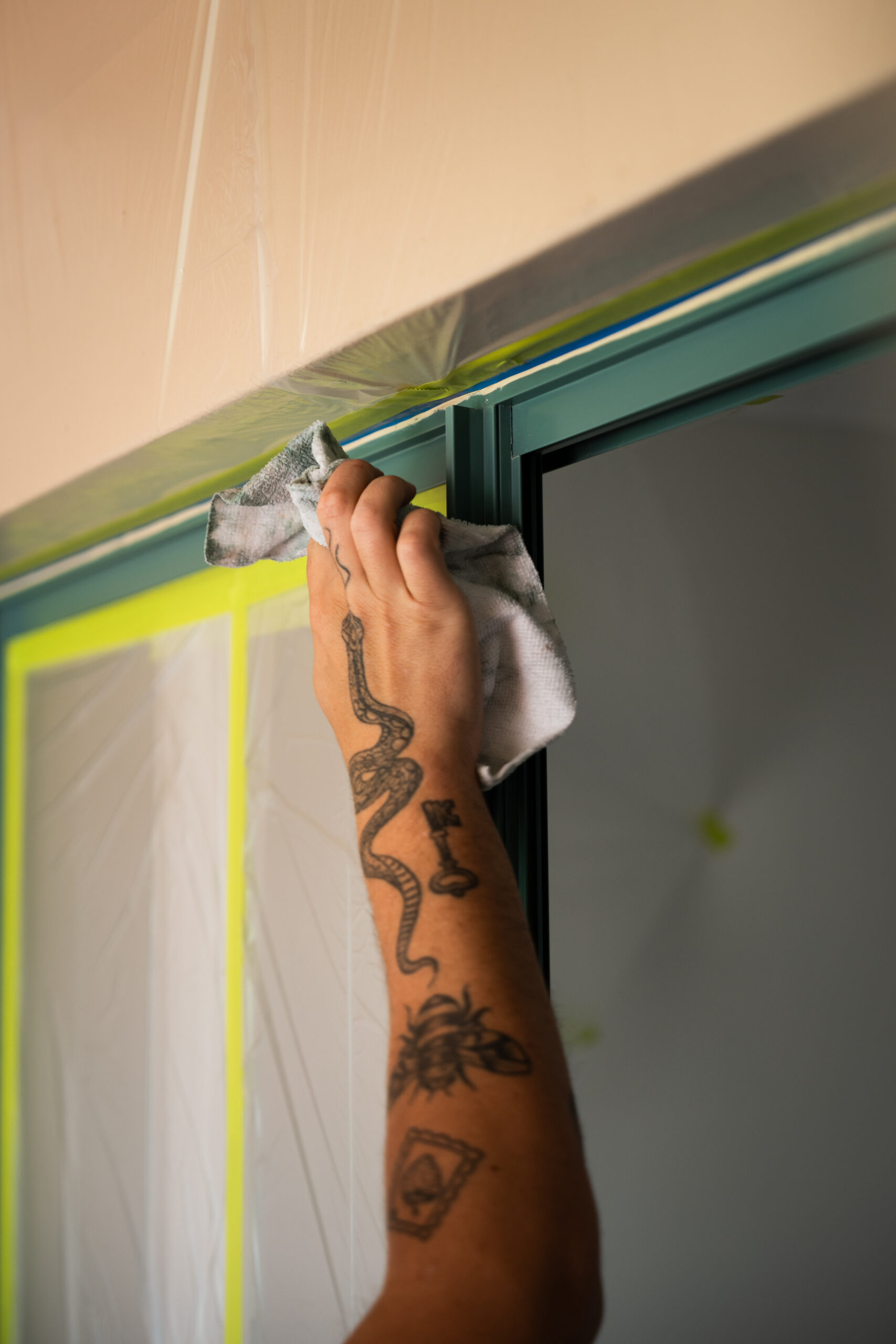
You don’t need to be a tradesperson to spot the early warning signs. Grab a cloth and run it firmly across a window frame, particularly on a side of the house facing the ocean or prevailing wind. If a white or grey residue transfers onto the cloth, or the surface feels gritty rather than smooth, that’s usually an early indicator worth acting on. Compare a beachfront frame to one on the more sheltered side of the house, and you’ll often see a noticeable difference in condition, which tells you a lot about how localised exposure really is.
Does the Type of Aluminium Frame Matter?
Most modern homes use powder-coated aluminium, which offers reasonable factory protection but isn’t indestructible. Older homes sometimes have anodised aluminium, which handles UV slightly differently but is still vulnerable to salt-driven corrosion over time. Either way, once the factory coating has been compromised, whether by age, physical damage, or ongoing exposure, the underlying aluminium is exposed to the same corrosive processes regardless of which original finish the frame started with.
Frequently Asked Questions
Can I prevent this kind of coastal damage completely? Not entirely, if you live near the coast. But regular rinsing, prompt attention to early chalking, and a quality coastal-rated repaint when needed will significantly slow the process and protect your investment in the property.
Does salt air affect glass as well as frames? Glass is more resistant to salt corrosion than aluminium, though it can develop mineral deposits or etching over long periods without cleaning. The frames are almost always the first and most vulnerable part of a window system in a coastal environment.
Is it worth using a protective sealant between repaints? Some homeowners use a maintenance sealant to extend the life of a coating between full repaints. This can help in moderate exposure situations, though it isn’t a substitute for proper preparation and painting once the coating has genuinely broken down.
How do I know if it’s salt damage or something else? Salt air window damage typically shows as widespread chalking and fading across exposed frames, rather than isolated stains or marks, and tends to be worse on the sides of the home facing the ocean or prevailing wind. A professional assessment can confirm the cause if you’re unsure.
Protecting Your Investment for the Long Term
A home near the coast comes with a trade-off. You get the lifestyle and the views, but you also take on a maintenance responsibility that inland homeowners simply don’t face in the same way. Understanding how salt air window damage develops, checking your frames regularly, and acting early rather than waiting for visible corrosion are the simplest ways to protect your property’s appearance and value over the years you own it. Get in touch. More Information.